Guide
UPF 50+ on a label: what a sun shirt does, what the rating means and what wet fabric changes
A sun shirt is the second thing every public guide to the sun recommends, ahead of sunscreen. What the UPF 50+ on the label means, where the number comes from, and the four things that make the same shirt protect less.
Published 6 September 2026 · 15 minute read · sources read 6 September 2026
Pictured
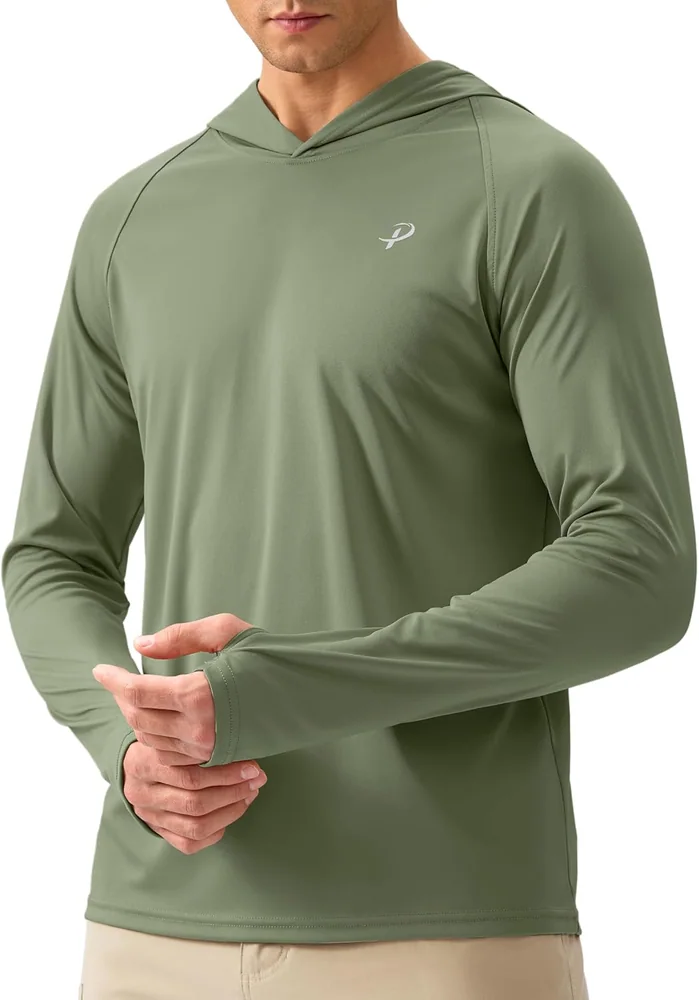
Men's Sun Hoodie, Olive
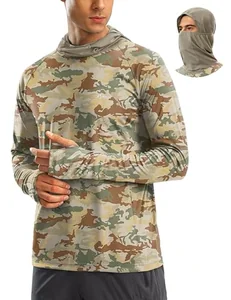
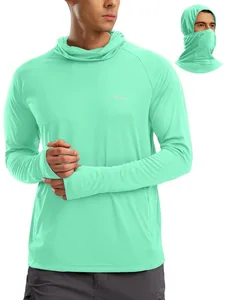
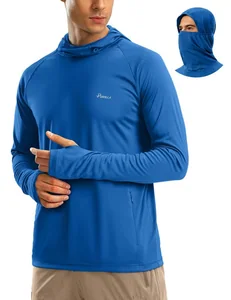
A hooded sun shirt from the bench: long sleeves, a hood that goes over a cap, and a mask that pulls up to the nose on a boat or a ridge.
Start with the piece
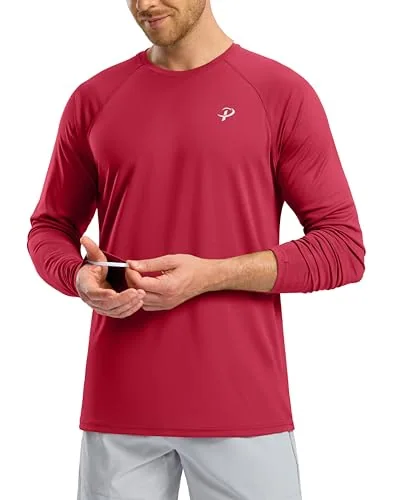
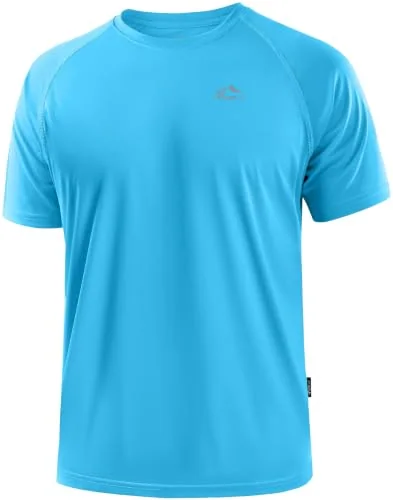
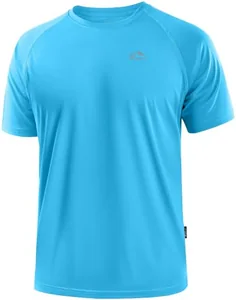
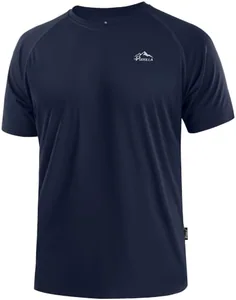
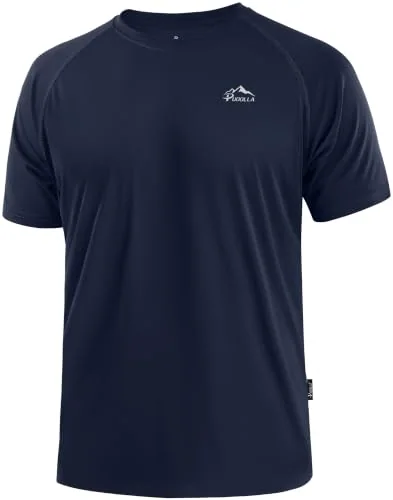
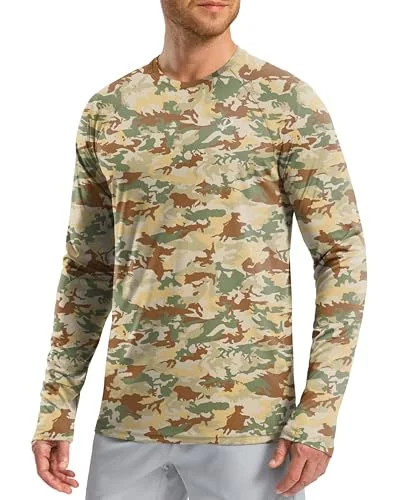
Pudolla upf 50+ sun shirts this guide is about
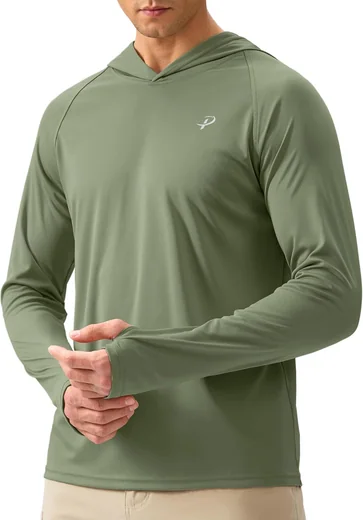
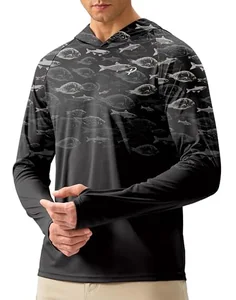
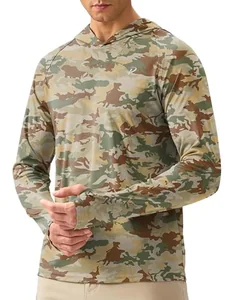
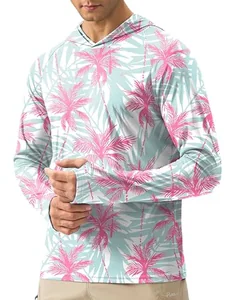

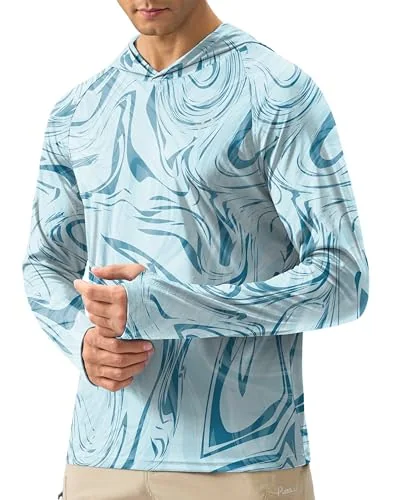
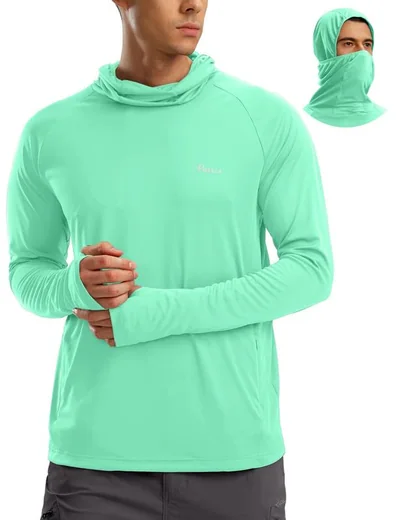
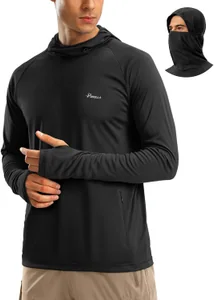
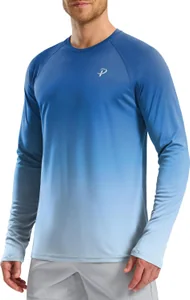
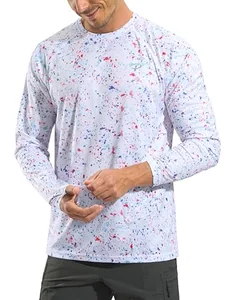
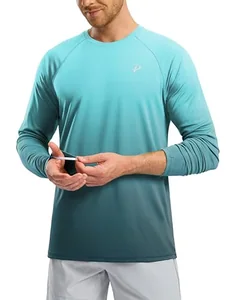
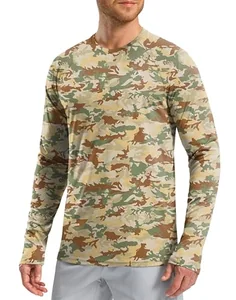
Covering up is the first advice
Every public guide to the sun says the same thing in the same order: shade, clothing, a hat, sunglasses, sunscreen. Clothing is second, ahead of sunscreen, and it is second for a plain reason. A sleeve covers an arm for a whole day without being reapplied, without washing off in a river, and without a bottle to carry. The guidance from the Centers for Disease Control and Prevention puts it this way.
Clothes made from tightly woven fabric offer the best protection. A wet T-shirt doesn't protect you as well as a dry one, and darker colors may protect more than lighter colors.
Centers for Disease Control and Prevention, Sun Safety Facts, read 6 September 2026
That sentence holds the whole of this guide: weave, wet and colour. A sun shirt is a shirt built around those three words, and the Pudolla lineup is our attempt to make one you would wear for eight hours on a boat and not think about. What follows is what the rating on the label means, where it comes from, and the four things that make the same shirt protect less than the number says.
What UPF is, and what SPF is
SPF is the number on a sunscreen. It says how much longer skin with the product on takes to redden than bare skin, under a test lamp, with a measured thickness of lotion. UPF is the number on a fabric. It says what fraction of ultraviolet light the fabric lets through: UPF 50 means one fiftieth, or two percent, passes, and the rest is absorbed or scattered by the yarns. UPF 50+ is the top of the scale as it is usually printed, and it means fifty or better.
The two numbers are cousins, not twins. Sunscreen wears off, sweats off and washes off, so the Food and Drug Administration tells you to put it back on.
No sunscreen completely blocks UV radiation.
U.S. Food and Drug Administration, Tips to Stay Safe in the Sun: From Sunscreen to Sunglasses, read 6 September 2026
A fabric does not wear off. It covers the skin under it for as long as it is on and dry, and the number on the label applies to the fabric, not to the skin it does not cover. That is the first thing to understand about a sun shirt: the rating is about the sleeve, and your hands are outside the sleeve.
The American Academy of Dermatology gives the range of what ordinary clothing does, and the spread is wide.
For example, a long-sleeved denim shirt provides an SPF of about 1,700, while a white t-shirt provides an SPF of about 7.
American Academy of Dermatology, What to wear to protect your skin from the sun, read 6 September 2026
For more effective sun protection, select clothing with an ultraviolet protection factor (UPF) number on the label.
American Academy of Dermatology, What to wear to protect your skin from the sun, read 6 September 2026
A denim shirt is a wall and a white tee is a screen door. A sun shirt sits nearer the wall while weighing what the tee weighs, and the way it gets there is a dense, fine knit of polyester, sometimes with a treatment in the yarn, cut loose enough that it does not stretch over the shoulders.
Where the rating comes from
Here is the part this site is careful about. The UPF 50+ on every page of the sun bench is the maker's rating. It is printed here as the maker's words. The maker publishes no test report for the range, and this page prints the rating as the maker's word. What the guidance says about ratings on clothing is short.
Some clothing is certified to protect against UV rays.
Centers for Disease Control and Prevention, Sun Safety Facts, read 6 September 2026
Sun-protective clothing is now available. (The FDA regulates these products only if they are intended to be used for medical purposes.)
U.S. Food and Drug Administration, Tips to Stay Safe in the Sun: From Sunscreen to Sunglasses, read 6 September 2026
Some clothing is certified, and a sun shirt sold as clothing is not a medical device and is not reviewed as one. So the number is the maker's, the maker's word is what the page prints, and the thing you can check for yourself is not the number but the fabric: hold the shirt up to a lamp. A sun shirt lets almost no light through. A white tee glows.
What the team wears the shirts for is a day on the South Platte in July, and the test we can report is a plain one: the arms under the sleeves do not burn, and the hands do. That is not a laboratory result. It is the reason the sunscreen goes on the hands.
Wet, stretched, worn thin
The same shirt does not protect the same amount all day, and the guidance says so in one line: a wet shirt protects less than a dry one. Four things change the number, and all four are in your control.
| What changes | Why it lets more light through | What to do |
|---|---|---|
| Wet | water fills the gaps in the knit and carries light through | let it dry, and carry a second shirt on a boat |
| Stretched | the gaps open as the fabric pulls | size up: a loose shirt covers more than a tight one |
| Worn thin | years of wash and sun thin the yarns | an old shirt is a lighter shirt, so keep it for the shade |
| Light colour | pale yarns absorb less | dark for the sun bench, light for the heat, and the label rating applies to both |
The one people miss is stretch. A sun shirt bought a size too small pulls across the shoulders and the back, the gaps in the knit open, and the part of the shirt over the part of you that faces the sun is the part protecting least. Every sun shirt on the bench is cut loose for that reason, and the size note on each page says to take your usual size for a loose fit and to go up if you want air between the shirt and your back.
Dark, light and the weave
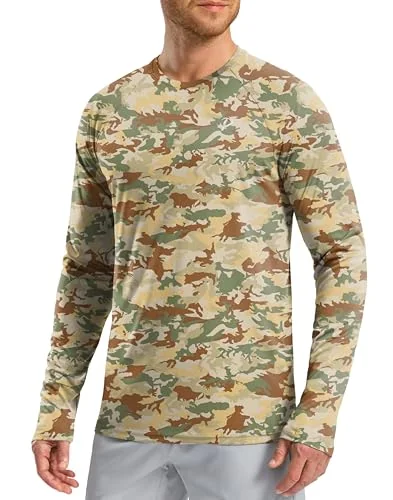
Darker colours absorb more light, and the guidance allows for it with a careful may: darker colors may protect more. On a rated fabric the difference between a navy and a pale blue is smaller than the difference between a rated knit and a plain cotton tee, because the density of the knit does most of the work. So pick the colour for the day. Dark for the sun bench and the shade; light for the heat, where a dark shirt on a still afternoon is a warm shirt.
The weave, or on a knit the density, is the thing you cannot see on a card and can feel in the hand. A sun shirt feels like a fine, close jersey with no give in the surface when you press a thumb into it. A loose, open knit feels like a mesh. The sun bench is the first kind, and the running tees on the tops bench are closer to the second. That is the reason the tees are not on the sun bench.
Hood, mask and the back of the neck
The back of the neck and the ears are the two places a cap does not cover and a hat does, and the hooded sun shirt exists for people who wear a cap anyway. The hood goes up over the cap and covers the ears and the neck. The mask, on the pairs that have one, pulls up over the nose for the hour on the water when the light comes off the surface from below.
What the mask does not do is replace sunscreen on the face. It covers the lower half, it is a knit, and you breathe through it, which means it is damp within the hour and a damp knit covers less. The face and the hands still get sunscreen, and the guidance on when is simple.
In the continental United States, UV rays are strongest from 10 a.m. to 4 p.m. daylight saving time (9 a.m. to 3 p.m. standard time).
Centers for Disease Control and Prevention, Sun Safety Facts, read 6 September 2026
Six hours in the middle of the day. A sun shirt is worn through all six. The sunscreen on the face goes on before the first and again in the middle.
Sleeves, and the hands
Long sleeves on a sun shirt reach the wrist and stay there, and on the pairs with thumbholes the cuff pulls over the back of the hand. That covers the strip between the cuff and the knuckles that burns on a bike and a paddle. The fingers are still out. The short sleeve pairs and the rash guards cover the shoulders and the back, which is what you want in the water, and leave the forearms to the sunscreen.
The rule the studio uses: whatever the shirt does not cover gets the lotion, and the amount is what the label says, not what feels enough. On a boat that is the hands, the face, the tops of the feet. In a long sleeve pair on a trail it is the hands and the face. In a rash guard it is the forearms as well.
A pair of light gloves closes the last gap on a long day of casting, and a hat with a brim all the way round does for the ears and the neck what the hood does on the hooded pairs. Neither is on this site, and neither is a Pudolla product. They are mentioned because a sun shirt is one piece of a plan, and the plan works when the pieces meet at the wrist and the collar.
Children wear the same idea in a smaller size, and the public guidance is stricter for them than for adults: shade first, a hat, and clothing that covers. The women's and men's cuts on the sun bench start at X-Small, which fits some teenagers, and nothing on the bench is cut for a child younger than that.
The bench, counted
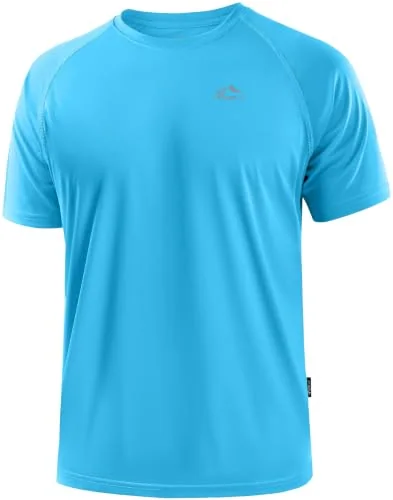
The sun bench at the last update, by kind of shirt, so you know what exists before you filter. 237 of 237 pages carry the maker's UPF 50+ rating, 178 carry the maker's quick-dry word. Counts include every size of every colour.
| Kind | Pages | What it covers | Where it is worn |
|---|---|---|---|
| Hooded sun shirt with mask | 80 | arms, neck, ears, lower face | fishing, a ridge, a field in July |
| Long sleeve tee | 85 | arms and shoulders | hiking, running, the yard |
| Short sleeve tee and rash guard | 70 | shoulders and back | the water, hot still days |
| Women's cut | 70 | the same coverage, a different fit | every one of the above |
From the bench
Pieces this chapter is about
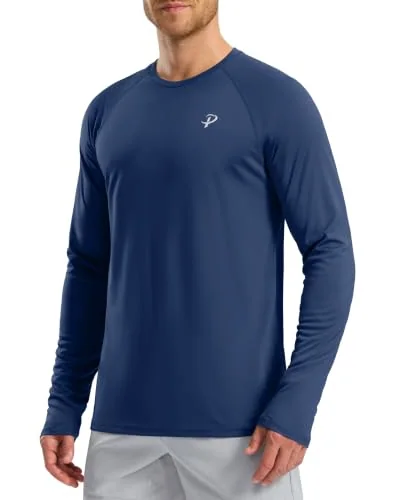
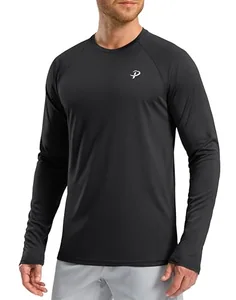
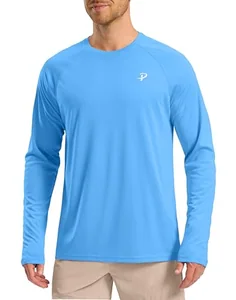
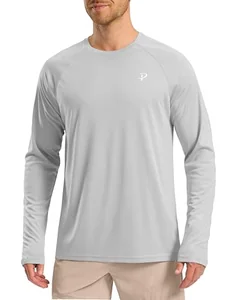
The filters on the bench page work on these facts: who it is for, the sleeve, the colour, the size, and whether there is a hood. A hooded pair with a mask is a filter away.
Fishing, hiking, the yard and the water
The same rated knit does four different jobs, and the cut changes with the job. Fishing is where the hooded pair with the mask was born. A boat puts the sun above you and below you at once, the light off the water reaches under a cap, and the hands are out all day.
The hood covers the ears and the neck, the mask covers the lower face for the hour when the glare is worst, and the thumbholes keep the back of the hand covered while the fingers work. It is the most covered a person can be in a single shirt, and the pairs with a mask are the ones the sun bench sells most of in June.
Hiking wants the long sleeve pair without the hood, worn loose over a tee or alone. On a ridge the sun is above and the wind is constant, and a long sleeve knit that dries in an hour is warmer than a tee when the wind rises and no warmer when it drops. A hood on a trail catches the wind and gets pushed back, so most of the team leaves the hood at home and takes a hat with a brim instead.
The yard is the short sleeve pair, because a hot still afternoon over a mower is where a long sleeve knit runs warm, and the shoulders and the back are what face the sun when you bend. The forearms get the sunscreen.
The water is the rash guard, cut close so it does not float up, in the short sleeve or the long. In the water the shirt is wet, which is the case where the rating means least. The thing the rash guard does is keep the shoulders covered on a board, where a loose shirt rides up and a bare shoulder burns in an hour.
Which pair for which day is the question the bench page answers with its filters: the sleeve, the hood, who it is for. The one rule across all four is the same: loose, dry, and the sunscreen on whatever the knit does not cover.
Heat, and the shirt that runs cooler
The objection to a sun shirt is heat, and it is a fair one. Covered skin is warmer than bare skin in still air, and a long sleeve on a July afternoon sounds like a mistake. Two things change that.
The first is air: a sun shirt cut loose lets the air move between the knit and the skin, and moving air over damp skin cools it. A tight shirt does not. The second is the sun itself: bare skin in direct sun heats faster than skin under a light knit. People in hot, bright places have covered up for as long as there have been people in hot, bright places.
So the long sleeve pair on a hot, bright, moving day is cooler than a tee, and on a hot, still, shaded day it is warmer. The studio's rule for the sun bench is that the sleeve follows the sun, not the temperature: sun on the arms means sleeves, shade means the short sleeve pair.
On a day with both, the long sleeve pair goes on and the sleeves get pushed up in the shade, which is the whole reason the cuff on the long sleeve pairs is cut to stay pushed up.
Colour is the last piece of the heat question. The sun bench leans to greys, blues and greens rather than black, because a black knit in direct sun is a warm knit and the difference between a navy and a pale blue in protection is smaller than the difference in warmth. The pale colours are the ones the team wears on the hottest days, and the rating on the label is the same on both.
When the shirt is not enough
A sun shirt is clothing. It is not a medical device, it has not been reviewed by a clinician, and the number on its label is a maker's rating for a dry, unstretched fabric. There are days and people for which a shirt is a start and not an answer: a history of skin cancer, a medicine that raises sun sensitivity, a child under six months, a day at altitude on snow.
On those days the shirt is worn, the sunscreen goes on everything the shirt does not cover, the hat has a brim, and the middle of the day is spent in the shade. The guidance from the three sources on this page is the place to read the rest, and a dermatologist is the person to ask.
A sun day, in order
- Check the hour. Ten to four in summer is the strong six hours. Plan the water or the ridge for the edges of it where you can.
- Put the shirt on dry and loose. Usual size or one up. A shirt that pulls across the shoulders protects least where you need it most.
- Hood up over the cap on the hooded pairs, so the ears and the neck are covered without a hat.
- Sunscreen on what the shirt does not cover: hands, face, feet, and the forearms in a short sleeve pair. The amount on the bottle, put back on through the day.
- Carry a dry shirt on a boat. A wet shirt covers less. Swap at lunch.
- Wash it cold and hang it. A hot dryer thins the knit faster than the sun does.
Sources
- Sun Safety Facts, Centers for Disease Control and Prevention, read 6 September 2026.
- Tips to Stay Safe in the Sun: From Sunscreen to Sunglasses, U.S. Food and Drug Administration, read 6 September 2026.
- What to wear to protect your skin from the sun, American Academy of Dermatology, read 6 September 2026.
Before you go